
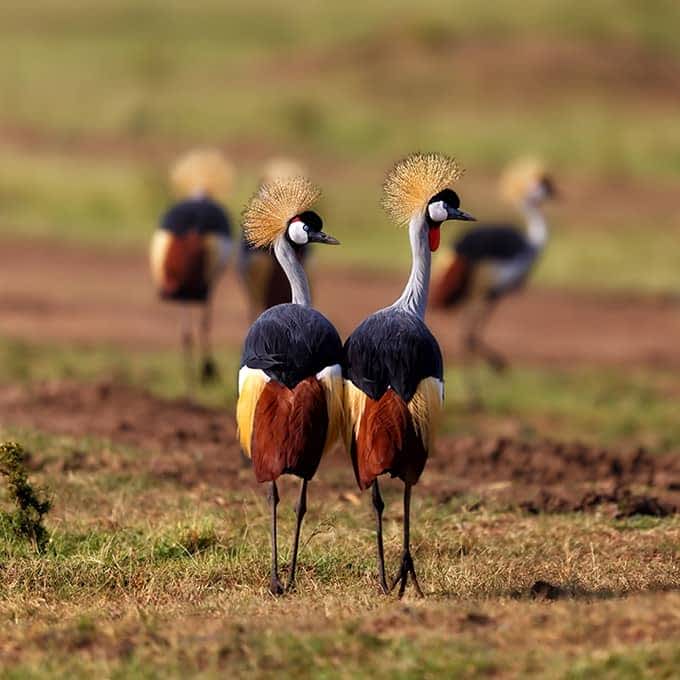
Kenya stands as an extraordinary paradise for avian enthusiasts, boasting over one thousand recorded species distributed across diverse ecological zones. From highland rainforest canopies and rift floor wetlands to arid northern brush and coastal groves, the nation presents unparalleled ornithological diversity. Whether observing migratory waders or tracking rare regional endemics, GoTrip Africa structures insightful itineraries tailored to every birder’s expectations.
Experiencing exceptional birding excursions demands dedicated field spotters, reliable transport logistics, suitable reserve lodges, and well-timed seasonal planning. With GoTrip Africa, nature lovers gain access to professional local tracking insight, seamless cross-circuit transit, and customized wildlife outings. From urban wetland havens to remote wilderness sanctuaries, every journey balances comfort, authentic adventure, and exceptional species checklists.
Also Read: Best Amboseli Safari Companies in Kenya
Best Birdwatching Destinations in Kenya
Selecting prime locations for bird watching in Kenya depends on target species, geographic terrain, seasonal migrations, and local guiding quality. A well-designed expedition allows travelers to explore varied ecosystems smoothly while maximizing field observation hours and maintaining personal comfort.
Here are the top places to consider for your next ornithological adventure:
1. Nairobi National Park & Urban Sanctuaries
Positioned right on the capital’s perimeter, Nairobi National Park is an astonishing birding hub sheltering over 500 species within savannah grasslands, riverine thickets, and man-made dams. It ranks among the best birdwatching destinations in Kenya Nairobi, offering immediate sightings of the Jackson’s widowbird, secretary bird, Hartlaub’s bustard, and various raptors just minutes after touchdown.
Travelers can easily combine the park with surrounding green pockets such as Karura Forest and the Nairobi Arboretum. These accessible urban havens provide dependable encounters with Narina trogons, African crowned eagles, and vibrant sunbirds, making the metropolitan circuit a rewarding starting point for any national expedition.
2. Lake Nakuru & Lake Naivasha
The Great Rift Valley houses phenomenal freshwater and alkaline aquatic havens that attract dramatic congregations of waterbirds. Lake Nakuru is famous for vast pink gatherings of lesser and greater flamingos, great white pelicans, and African fish eagles along its acacia-fringed shores.
Nearby Lake Naivasha provides serene freshwater boat excursions, bringing observers eye-to-eye with Goliath herons, pied kingfishers, and black-crowned night herons roosting in submerged fever trees. Pairing these two rift lakes creates an effortless transition between open water, marshland, and woodland habitats.
3. Kakamega Forest National Reserve
As Kenya’s sole remaining tract of Guineo-Congolian equatorial rainforest, Kakamega Forest represents an essential pilgrimage for dedicated bird enthusiasts. The dense canopies and sunlit glades harbor roughly 360 recorded species, including nearly twenty varieties found nowhere else in the country.
Field walks through the undergrowth reveal spectacular regional specialties, including the great blue turaco, blue-headed bee-eater, Turner’s eremomela, and the elusive African broadbill. The cool forest trails reward slow, deliberate tracking with distinct calls echoing through the ancient foliage.
4. Arabuko Sokoke Forest & Mida Creek
Stretching along the northern coastal strip near Watamu and Malindi, Arabuko Sokoke Forest protects an irreplaceable biome containing rare coastal endemics. The shaded woodlands provide crucial sanctuary for globally threatened targets, most notably the tiny Sokoke scops owl, Clarke’s weaver, and the Amani sunbird.
Just bordering the forest, Mida Creek adds a contrasting marine ecosystem dominated by mudflats and mangrove stands. During migration periods, the creek fills with international migrant waders, crab-plovers, Terek sandpipers, and greater flamingos, offering an exceptional dual-habitat experience.
5. Samburu & Buffalo Springs National Reserves
Venturing north of Mount Kenya leads birders into the semi-arid bushlands of Samburu and Buffalo Springs, bisected by the lifeline of the Ewaso Nyiro River. These dramatic arid landscapes are renowned for dry-country specialists that thrive in desert scrub and riverine palms.
Signature sightings include the striking vulturine guineafowl, Somali bee-eater, golden-breasted starling, and the Somali ostrich. The sparse vegetation makes spotting ground birds and perched raptors straightforward, creating outstanding photographic opportunities across open terrain.
Affordable Bird Watching Tour Packages
Planning dedicated birding journeys does not require excessive budgets to yield high-count species checklists. Practical planning allows birders to access premier conservation areas without compromising safety, field expertise, or overall travel enjoyment.
Budget-minded naturalists can optimize their itineraries using several proven approaches:
- Specialist Group Departures: Sharing custom 4×4 safari cruisers reduces vehicle hire and guiding fees while connecting you with like-minded birders.
- Mid-Range Eco-Camps: Choosing comfortable wilderness camps and boutique eco-lodges near park gates lowers boarding costs while keeping you close to early dawn activity.
- Overland Road Circuits: Connecting Rift Valley lakes and central sanctuaries by road presents a cost-effective alternative to domestic charter flights.
- Off-Peak Expedition Timing: Traveling outside peak tourist seasons ensures lower lodging rates, quieter walking trails, and higher accommodation availability.
- Transparent Package Details: Confirming upfront inclusions, such as conservation park levies, ranger fees, boat excursions, and vehicle fuel, prevents surprise expenses.
Structured properly, cost-effective birding tours deliver comprehensive field coverage, expert spotters, and comfortable rest stops tailored to practical travel plans.
What Makes Birding in Kenya Special?
Kenya ranks among the planet’s top birding territories due to its dramatic geographical diversity packed into easily traversable regions. Within short driving distances, landscapes transform from snow-capped alpine peaks to alkaline rift depressions, equatorial jungles, and coral shorelines.
Key highlights that set the country apart include:
- Immense Species Counts: More than 1,000 recorded bird varieties provide rewarding checklists for both beginners and seasoned ornithologists.
- Rare Endemic Specialties: Unique habitats shelter localized rarities found exclusively within specialized pockets like Arabuko Sokoke and Kakamega.
- Spectacular Waterbird Flocks: Alkaline and freshwater lakes gather hundreds of thousands of waders, pelicans, storks, and flamingos in dazzling numbers.
- Intercontinental Migratory Flyways: The Great Rift Valley serves as a primary transit corridor for European and Asian migrants between November and April.
- Integrated Game Viewing: Bird excursions seamlessly overlap with iconic Big Five wildlife drives across famed savannah reserves.
These distinct elements ensure every morning spent on the trail brings fresh sightings, varied calls, and unforgettable wildlife encounters.
Qualities to Look for in a Birding Safari Operator
Partnering with an accomplished travel organizer is essential when assembling an ornithological expedition. Spotting skulking forest species and cryptic savannah larks requires precise field knowledge that general safari companies often overlook.
When evaluating potential operators, consider the following standards:
- Certified Ornithological Guides: Guides must possess sharp identification skills, recognizing subtle plumage differences, territorial behaviors, and elusive bird calls.
- Properly Outfitted 4×4 Vehicles: Pop-up photographic roofs and wide-aperture windows ensure steady optics support and unobstructed 360-degree viewing.
- Paced, Bird-Focused Itineraries: Schedules must prioritize prime early morning and late afternoon feeding hours rather than rushed park crossings.
- Transparent Pricing Models: Straightforward estimates covering sanctuary permits, conservation charges, and excursion logistics eliminate unexpected costs.
- Prompt Logistics Assistance: Dependable operational coordination guarantees timely transfers, responsive lodge bookings, and personalized field care.
Prioritizing specialized field competence ensures your travel investment yields an immersive and deeply rewarding journey.
Why Choose GoTrip Africa for Your Birdwatching Safari
Booking your expedition through GoTrip Africa connects you with dedicated logistical expertise, knowledgeable field drivers, and practical itineraries built around genuine wildlife discovery.
- Customized Expedition Routes: Daily plans are structured around your personal target species, photography needs, and comfort preferences.
- Cost-Conscious Travel Solutions: GoTrip Africa delivers competitive travel packages that maximize field time and comfort without unnecessary markups.
- Experienced Local Guides: Passionate spotters utilize deep ecological understanding to help you locate rare, elusive, and seasonal birds.
- Sturdy Safari Transport: Modern 4×4 safari vehicles provide comfortable access across diverse terrains, from rocky escarpments to muddy forest tracks.
- Multi-Region Flexibility: Itineraries seamlessly link highland reserves, coastal forests, and rift lakes into efficient, cohesive circuits.
- Clear Package Structuring: Direct communication ensures complete clarity on accommodation standards, inclusions, and transit schedules from the start.
Conclusion
Selecting an experienced tour company transforms an ordinary holiday into an extraordinary wildlife expedition. From tranquil forest walks to sweeping savannah drives, attentive planning ensures every stop brings you closer to East Africa’s remarkable natural heritage.
Contact GoTrip Africa today to begin curating your personalized Kenya birdwatching itinerary.